
Easy Cowl Knitting Pattern: The Complete Beginner’s Guide
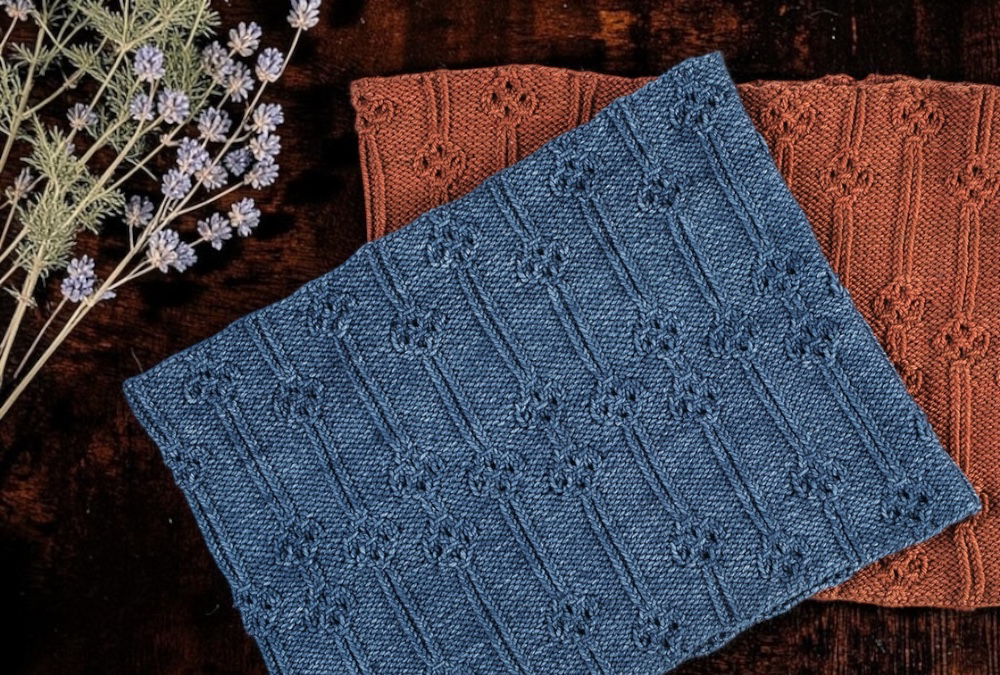
An easy cowl knitting pattern is one of the best first projects any new knitter can choose and not just because it’s simple. The structure genuinely works in your favour. Uneven tension? A cowl forgives it. Stitches a little too tight? Still wearable. The finished result looks polished enough to wear with pride or give as a gift, even on your very first attempt.
You’ve seen the most beautiful cowl patterns. You’ve watched countless YouTube videos wondering if you’ll ever be able to make one. Many new knitters feel exactly this way, even when they’ve chosen the most beginner-friendly pattern they could find. Here’s the reassuring truth: you can do this.
When I finished my first cowl, I felt like a proper knitter. That’s exactly why I put this guide together. By the time you reach the end, you’ll know which construction style suits you, what yarn and needles to buy, and what to look for in a pattern that won’t leave you stuck at row three.
Why a cowl is the smartest first project you can choose
A cowl has no shaping, no sleeves, and no armhole calculations. It is, at its core, a tube, and that simplicity is a genuine gift to any new knitter. Compare it to a sweater, where you knit for weeks before the thing resembles anything wearable, and you start to see why cowls are so commonly suggested as a first project.
Short row counts mean you see progress fast
Most beginner cowls involve a repetitive stitch pattern worked across a manageable number of rows, typically somewhere between 30 and 50 rounds for the main body. That repetition builds muscle memory quickly, and the visible progress keeps motivation high. Watching your cowl grow steadily, session by session, is exactly the kind of reward that makes you reach for your needles the next evening.
No complex finishing or seaming (in most cases)
A cowl worked in the round requires only a cast-on, knitting, and a cast-off. That means a beginner spends almost all their time practising the two core skills rather than wrestling with a sewing needle and a half-finished seam. The skills you build go directly into your next project.
Mistakes are easier to fix on a small project
Because a cowl is compact, errors caught early are simple to unpick. On a small project, ripping back a section is frustrating but manageable, a very different situation from discovering a twisted join on a half-finished sweater sleeve. Start small, practise freely, and carry those skills forward.
Easy cowl knitting pattern styles
Before you buy a single ball of yarn, it helps to understand how cowls are actually constructed. There are two main construction approaches and a range of stitch patterns to consider. Choosing the right combination for your current skill level makes the whole experience smoother.
Knitting in the round: the most popular beginner choice
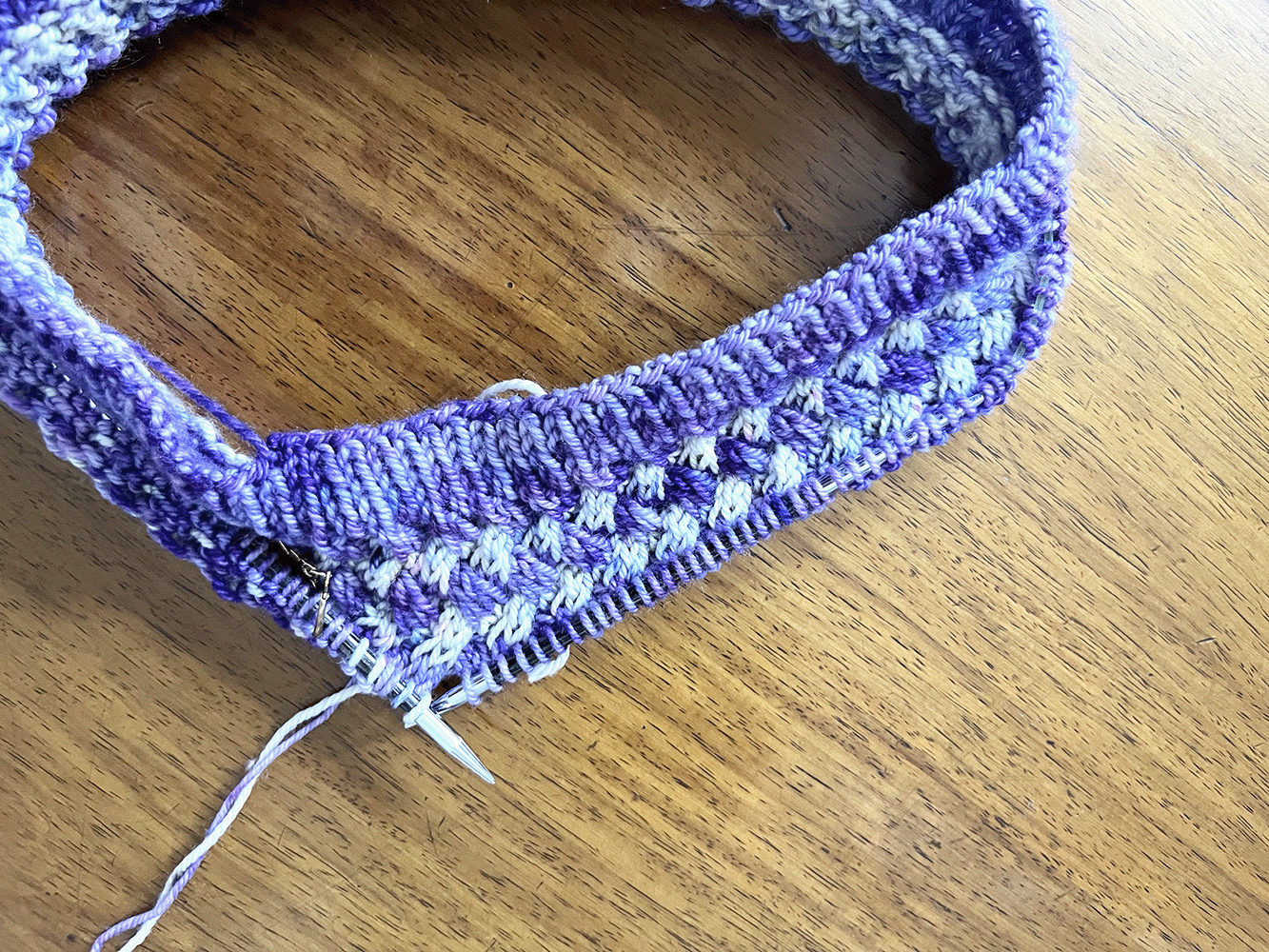
Circular cowls are worked on circular needles and produce a seamless tube with no sewing involved. If your stitch pattern uses simple knit stitches only, you won’t need to purl at all. The one sticking point for beginners is “joining in the round,” which means connecting your cast-on into a loop before knitting.
It sounds technical, but it’s really just a matter of making sure your stitches aren’t twisted before you begin. Two methods worth knowing are the magic loop technique, using one long circular needle, and working on a short 40 cm circular needle, both work well for cowls.
Flat knitting with a seam: a good alternative for needle-shy beginners
Some knitters find a standard pair of straight needles less intimidating than circulars. Flat-knit cowls are worked back and forth in rows and then seamed along one edge to form a tube. The finished result looks nearly identical to an in-the-round cowl once the seam is tidy. The trade-off is that you’ll alternate between knit and purl rows, and the seam does require a little care. If you already know basic knit and purl stitches and the idea of circular needles genuinely puts you off, this is a solid option.
Choosing an easy cowl knitting pattern stitch
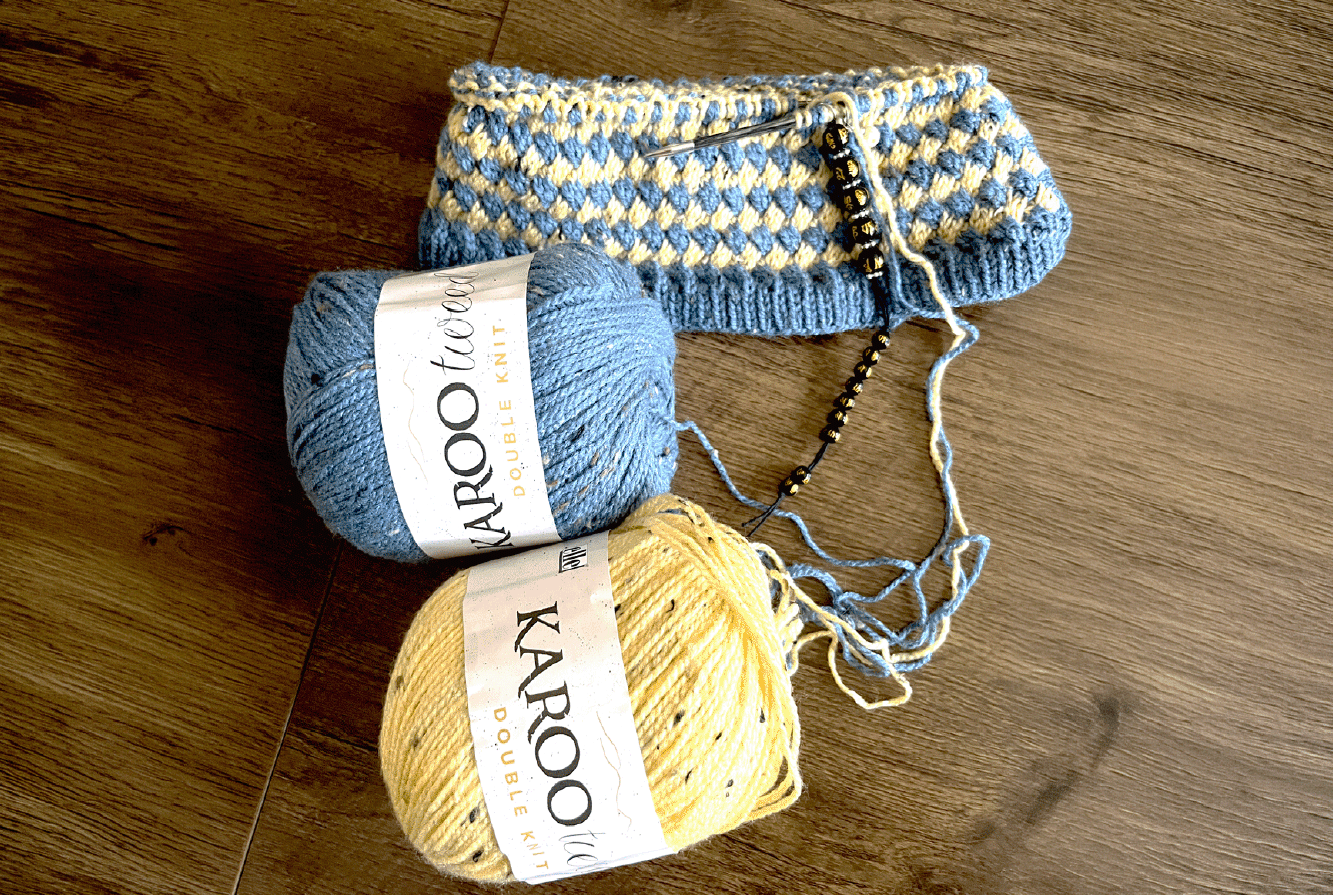
When choosing a stitch pattern for an easy cowl, the most important qualities are simplicity and repeatability. Knitting a short sequence that locks into muscle memory quickly, so you can knit confidently without counting every stitch. The best beginner-friendly stitch patterns are forgiving of slightly uneven tension, lie flat without excessive curling, and look polished with minimal fuss. Whether you gravitate toward a classic rib, a simple moss stitch, or a gentle textured repeat, the key is finding a pattern where the rhythm becomes second nature after just a round or two. Once you have that, the cowl almost knits itself.
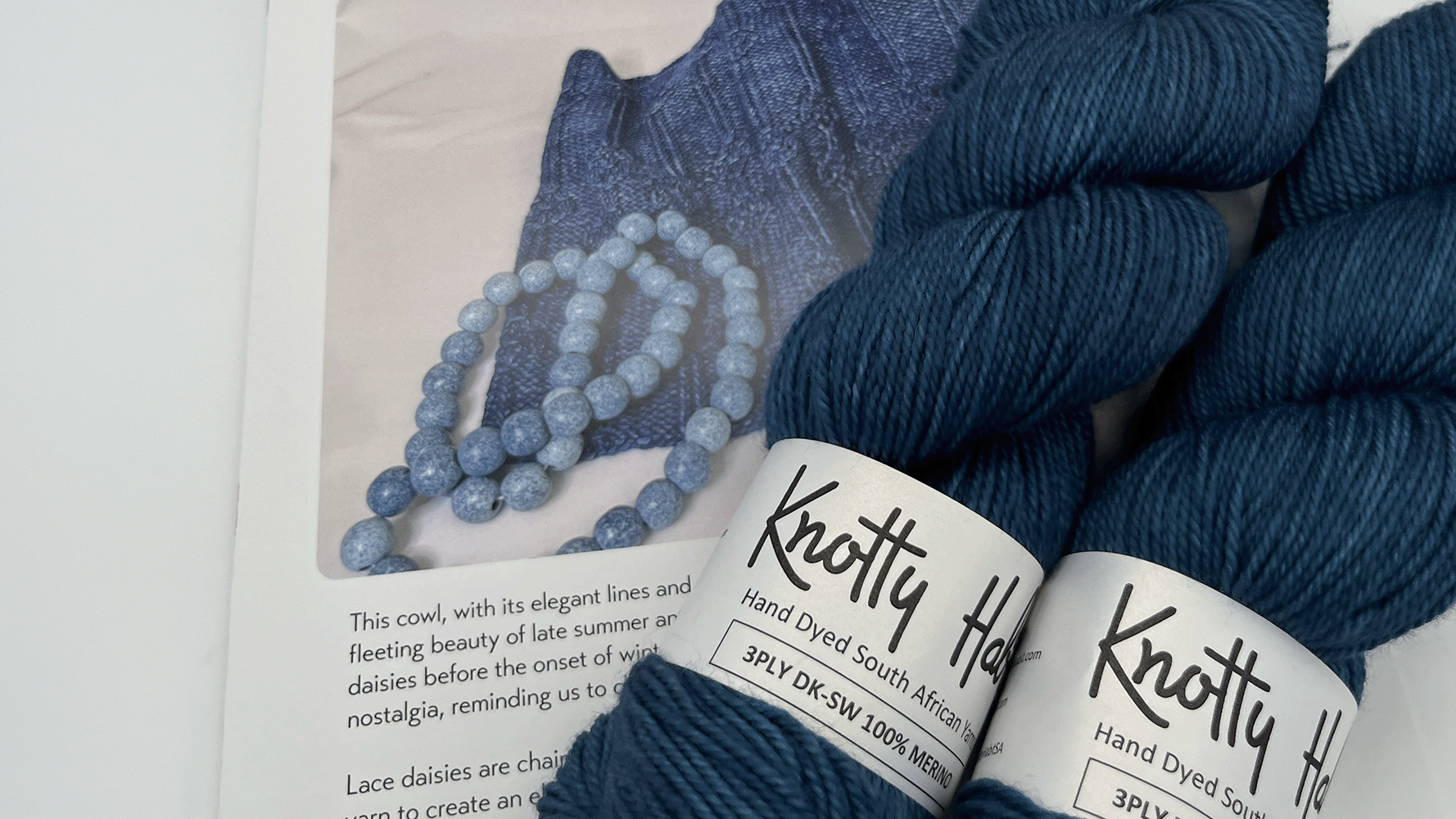
A great example is my Daisy Chain Cowl pattern, which uses an easy-to-remember repeating stitch sequence that’s satisfying to knit and beautiful to wear. It is perfect for building confidence while creating something you’ll be proud to show off.
Yarn and needle choices that make learning easier
The yarn and needle combination you choose has a bigger impact on your experience than the pattern itself. Choose well, and the whole project flows. Choose poorly, and even a simple ribbed cowl becomes a battle.
Why worsted or double knit (DK) yarn is ideal for your first cowl
Thicker yarn means fewer stitches on the needle, fewer rows to complete, and stitches large enough to see and count clearly. A DK cowl pattern worked on 4-5 mm needles can often be completed fairly quickly, and there are plenty of patterns in this range designed exactly for that. By contrast, finer yarns such as fingering weight make tension inconsistencies more visible and typically require significantly higher stitch counts per round. Very thick yarns, like chunky or bulky weight, require large needles that can feel awkward to a beginner knitter. For your first attempt, choose a worsted or DK weight and give yourself a win. If you’d like suggestions for beginner-friendly yarns, see this guide to the best knitting yarn for beginners.
The easy cowl knitting pattern: how to choose yarn wisely
All knitters regardless of experience know the feeling of falling in love with a skein of yarn before they even have a pattern in mind. There’s nothing wrong with that; it’s one of the joys of the craft. But when you’re ready to match that yarn to a project, two details will steer you right: the recommended yarn weight and the total meterage required. These two things together tell you exactly what to buy.
Yarn weight affects everything from needle size to drape to how quickly the project knits up, so swapping to a different weight than the pattern specifies can change the finished dimensions significantly. As a beginner, it’s best to stick with what the pattern recommends rather than substituting. Once you have a few projects under your belt, you’ll have a much better feel for when and how to make those kinds of adjustments.
Meterage is equally important. Don’t rely on the number of skeins alone, since the same weight of yarn can vary quite a bit in length from brand to brand. Always check the total meterage your pattern requires and compare it against the meterage listed on your chosen yarn’s ball band. A little maths at the shop saves a lot of frustration at the finish line.
Matching needle size to your yarn weight
Every ball of yarn has a recommended needle size printed on the label. Start there. It’s not a guarantee that your tension will match the pattern gauge exactly, but it gives you a sensible starting point. To make sure your tension will be suitable, make a swatch. If your finished swatch is too tight, go up a needle size. If it’s too loose, go down. Making a swatch early on will save you from a cowl that’s either too snug around the neck or drooping to your collarbones.
What separates a well-written pattern from a frustrating one
Not all patterns are created equal, and for a beginner, the quality of the pattern matters enormously. A poorly written pattern doesn’t just slow you down, it can make you feel like you’re doing something wrong when the problem is actually the instructions, not your knitting.
Clear abbreviations, stitch counts, and written instructions
A beginner-safe easy cowl knitting pattern has a comprehensive abbreviation section that includes all the abbreviations included in the pattern. It includes a stitch count check at the end of key sections so you can confirm you haven’t accidentally added or dropped a stitch. It never assumes you “know what they mean” from context. Patterns that provide both written instructions and a chart are even more useful, because different learners process information differently.
Test-knitting and technical editing: the marks of a trustworthy pattern
Test-knitting means that knitters of varying skill levels work through the pattern before it’s published, flagging anything that’s confusing, ambiguous, or mathematically off. Technical editing is a separate process that catches formatting problems and stitch count errors before they reach you. Together, these two steps are the difference between a pattern that teaches and one that frustrates.
Every cowl pattern in the Woolly Mammoth Designs catalogue goes through both processes before it’s released. An experienced group of knitters at varying skill levels works through each design, and a technical editor reviews it for accuracy. For a beginner who doesn’t yet have the experience to troubleshoot pattern errors independently, that level of care removes one of the most significant barriers to a good first experience.
Red flags to watch for in free patterns
Free patterns aren’t inherently problematic, but some are essentially unedited drafts published without testing. Watch for these warning signs: stitch counts that don’t add up, instructions that skip steps without explanation, and patterns that include no gauge information at all. If a free pattern has a large number of positive project photos on Ravelry, several comments confirming it worked as written, or it is from a well-known designer, you can take that as a reasonable indicator of reliability.
“A poorly written pattern doesn’t just slow you down, it can make you feel like you’re doing something wrong when the problem is actually the instructions, not your knitting.”
Common cowl knitting mistakes and how to fix them
Every knitter has made these mistakes, including experienced ones with decades of projects behind them. The goal isn’t to avoid them entirely but to recognise them quickly and know the fix.
The twisted join problem (and how to prevent it)
When you cast on for a circular cowl, all the stitches must face the same direction before you join them into a round. If even one section of the cast-on edge flips over, you end up with a Möbius-like twist that cannot be corrected without starting over. The fix is simple: before you join, lay the cast-on flat on a table and check the entire edge to confirm there are no twists. Join slowly, check again after the first round, and place a stitch marker at the join so you always know where the round begins.
Gauge issues that change your cowl’s size
Skipping a gauge swatch is the most common beginner shortcut, and it frequently means the finished cowl is either too snug or so long it droops. Knit a small 10 cm swatch in your intended yarn and stitch pattern, count the stitches and rows per 10 cm, and compare that to the gauge listed in your pattern. If the numbers don’t match, adjust your needle size and swatch again. It takes an extra 20 minutes and saves hours of disappointment.
Tension habits that create gaps and make knitting uncomfortable
New knitters often knit too tightly when they’re nervous, which creates a visible gap at the join point and makes it physically difficult to work stitches off the needle. Slowing down, keeping a relaxed grip, and pausing every few rounds to check your tension makes a real difference. Make sure each stitch slides to the widest part of the needle before you knit the next one, and don’t clench the yarn between your fingers.
You already know more than most beginners do before they cast on
You now understand the two construction approaches, why worsted or DK yarn gives you the most forgiving experience, and what makes a well-written pattern worth trusting. That’s a solid foundation, and it’s more preparation than most beginners give themselves before casting on.
The practical next step is straightforward: pick a construction method, choose yarn in the recommended weight and meterage, and find a pattern that has been properly tested and edited. Keep it simple for your first attempt. A straightforward textured cowl in a single colour will teach you everything you need for every cowl that comes after it.
And here’s the thing about knitting — that first finished object is addictive. There’s a particular satisfaction in casting off, trying it on, and realising you made that. Once you’ve experienced it, you’ll want to cast on again almost immediately. When you’re ready to explore more, there are plenty of cowl patterns to discover across a range of styles and skill levels, so your next project can challenge you just a little more than the last.
You’re ready. Cast on!